
Preparing for Tax Season? 7 Areas to Review Before Year-End
As the end of the year approaches, you may be thinking about finishing projects, preparing for the holidays, and getting ready for a fresh start in January. But there's another important task that deserves a spot on your calendar: reviewing your business tax deductions.
Many small business owners focus on how much revenue they earned without giving enough attention to the expenses that could reduce their taxable income. Others assume their bookkeeping software has captured everything or wait until tax season to start looking for potential deductions.
Both approaches can leave you scrambling when it's time to file your return.
The good news? A little preparation before December 31 can help you identify overlooked expenses, make informed spending decisions, and enter the new year with greater financial clarity.
Whether you operate a pet grooming salon, veterinary practice, pet sitting business, retail store, or another small business, here are seven areas worth reviewing before year-end to identify tax deductions.
Note: This article provides general information about federal income tax rules for the 2026 tax year. Your eligibility for a deduction depends on your business structure, accounting method, business activities, and individual circumstances.
1. Ordinary and Necessary Business Expenses
Let's start with the basics. Everyday operating expenses are among the most important deductions to review because they're easy to overlook when transactions aren't categorized correctly or receipts aren't properly recorded.
Generally, a deductible business expense must be both ordinary and necessary for your trade or business. An ordinary expense is common and accepted in your industry, while a necessary expense is helpful and appropriate for your business.
Common examples include:
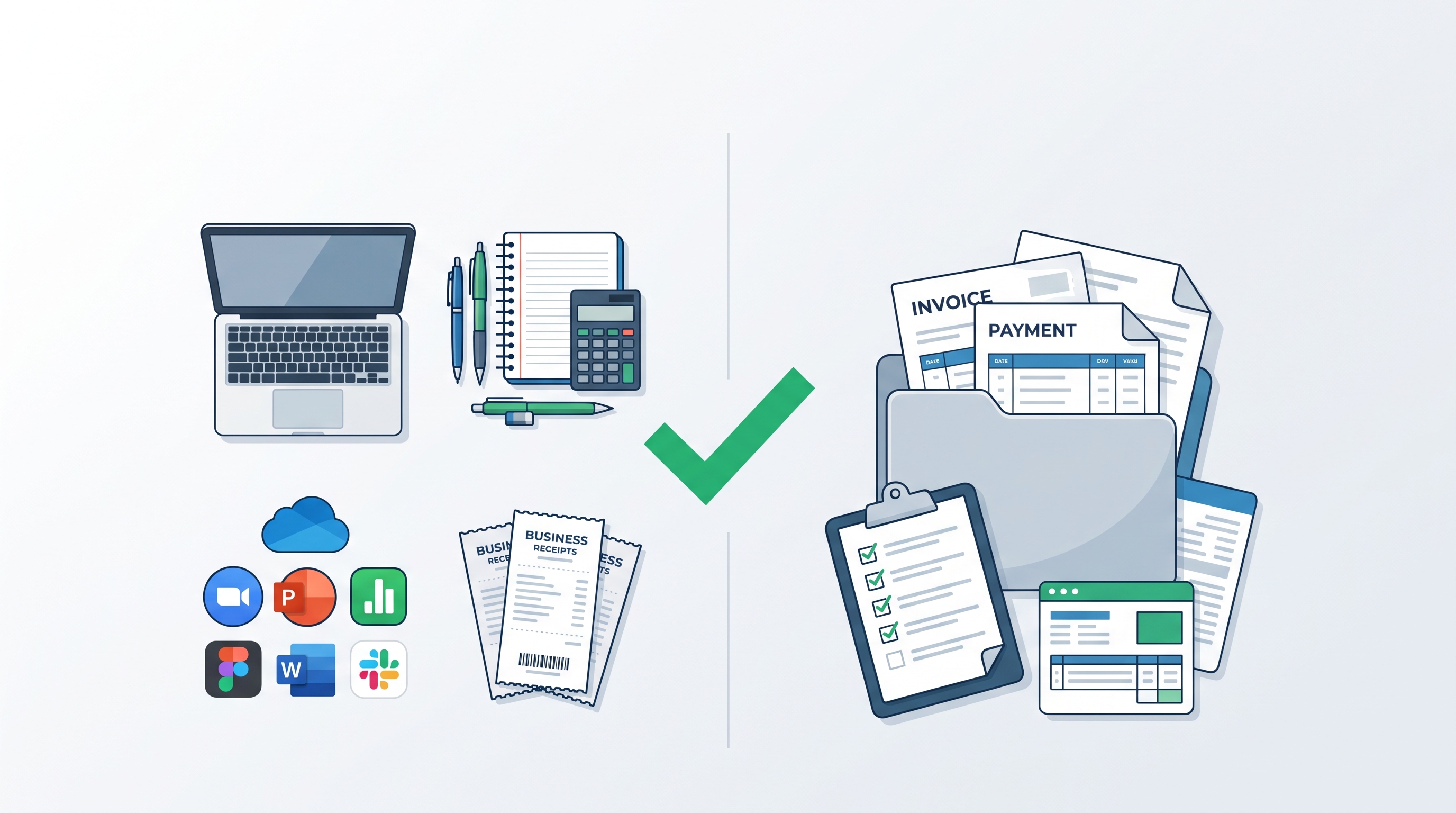
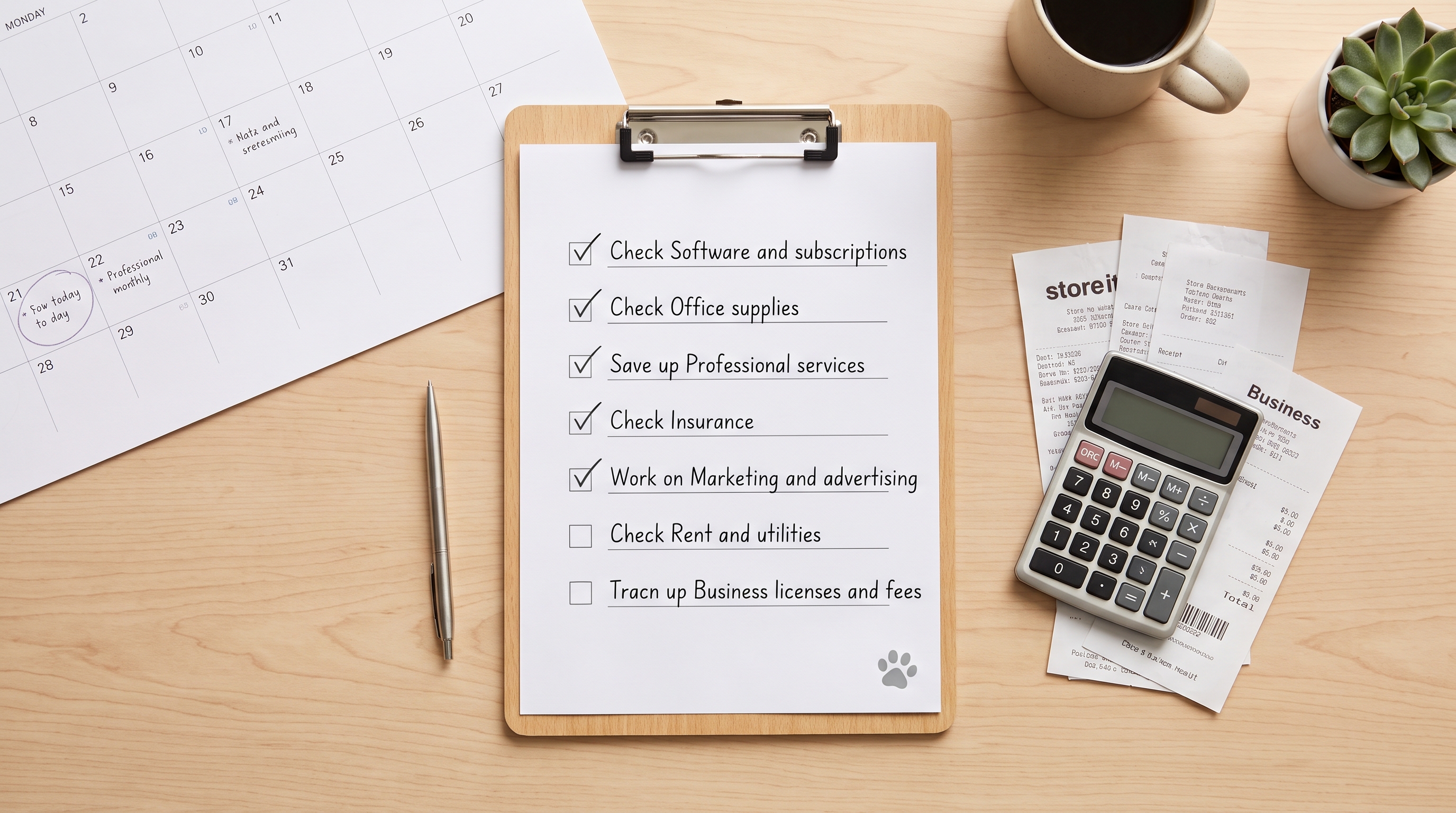
Software and subscriptions: Accounting software, scheduling tools, customer relationship management platforms, and other business applications.
Office supplies: Paper, printer ink, shipping supplies, and other consumables used in your business.
Professional services: Accounting, legal, consulting, and other eligible professional fees.
Insurance: Business liability, professional liability, and other qualifying business insurance premiums.
Marketing and advertising: Website expenses, online advertising, promotional materials, and eligible marketing services.
Rent and utilities: Qualifying costs associated with your business location.
Business licenses and fees: Eligible permits, licenses, and regulatory fees.
For pet care entrepreneurs, these expenses might also include pet management software, grooming supplies, booking platforms, and qualifying professional training.
What should you review before year-end?
Start by reviewing your profit and loss statement. Look for expenses that appear unusually low, accounts with unexpected balances, or transactions sitting in uncategorized expense accounts.
Then ask yourself:
Have all business purchases been recorded?
Are there business expenses I paid personally that haven't been reimbursed or recorded?
Are any annual software subscriptions or professional fees missing from my books?
Have I separated personal expenses from business expenses?
If you use personal funds to pay legitimate business expenses, make sure those transactions are properly documented and recorded according to your business structure and accounting method.
Year-end tip: Reconcile your business bank and credit card accounts before reviewing your deductions. Accurate books make it easier to identify missing expenses and support the amounts reported on your tax return.
Remember, an expense doesn't become deductible simply because it appears on your bank statement. You must be able to establish its business purpose and meet the applicable tax requirements.
2. Business Vehicle and Mileage Expenses
Do you drive to client appointments, pick up supplies, travel between business locations, or visit vendors?
If so, your vehicle expenses deserve a closer look.
Eligible business vehicle expenses may include mileage or certain actual operating costs, depending on the method you use and the applicable tax rules.
You generally choose between two methods:
Standard mileage method
Under this method, you calculate your deduction using the applicable IRS business mileage rate and your qualifying business miles. Certain business-related parking fees and tolls may also be deductible separately.
Actual expense method
This method generally involves calculating the business-use portion of eligible vehicle expenses, such as:
Gas and oil
Repairs and maintenance
Vehicle insurance
Registration fees
Lease payments or depreciation, as applicable
You cannot simply deduct every vehicle expense if you also use the vehicle personally. You must account for the business-use percentage and follow the rules governing your chosen method.
What should you review before year-end?
Check your mileage log and make sure it reflects your qualifying business travel.
Your records should generally include:
The date of each trip
The business purpose
The destination
The miles driven
Also review your vehicle expenses and confirm which deduction method applies to your situation.
For example, a mobile pet groomer who travels to clients' homes may have substantial business mileage. A pet sitter who drives between customers' homes may also have deductible transportation expenses.
However, ordinary commuting between your home and a regular workplace generally isn't deductible.
Year-end tip: Reconstruct missing mileage records using reliable supporting information, such as calendars, appointment records, and business schedules. Don't estimate miles without a reasonable basis.
For additional guidance, consult the IRS's Travel, Gift, and Car Expenses guide.
3. Home Office Expenses
If you operate your business from home, you may qualify for a home office deduction.
However, working from home doesn't automatically make a portion of your household expenses deductible.
For many self-employed taxpayers, the space generally must be used regularly and exclusively for business and meet the applicable principal-place-of-business or other qualifying-use requirements. Special rules and exceptions may apply in certain circumstances.
If you qualify, you may be able to deduct eligible expenses associated with your home office.
There are two primary calculation methods.
Simplified method: You generally calculate the deduction using $5 per square foot of qualifying business-use space, up to 300 square feet, subject to the applicable requirements.
Actual expense method: You calculate the business-use portion of eligible home expenses, which may include qualifying rent, mortgage interest, property taxes, utilities, insurance, and depreciation, depending on your circumstances.
The two methods have different requirements and consequences, so it's worth comparing them before deciding which is appropriate.
What should you review before year-end?
If you have a dedicated home office, gather the following information:
The total square footage of your home
The square footage of the qualifying office space
Records of eligible home expenses
Documentation showing how you use the space for business
For example, a self-employed tax consultant who regularly and exclusively uses a dedicated room as a qualifying home office may be eligible for a deduction.
However, a kitchen table that doubles as a family workspace generally won't meet the exclusive-use requirement.
Year-end tip: Document your office space and gather your expense records now rather than trying to reconstruct everything during tax season.
You can find additional details in the IRS's Business Use of Your Home guide.
4. Equipment, Technology, and Other Business Assets
Have you purchased a new computer, upgraded your equipment, or invested in tools to help your business operate more efficiently?
These purchases may qualify for a deduction, but the tax treatment depends on the type of asset, its cost, when it was placed in service, and the applicable rules.
Examples of potentially deductible or depreciable business assets include:
Computers and laptops
Office furniture
Grooming tables and professional equipment
Business machinery
Certain software
Qualifying tools and equipment used in daily operations
Depending on the circumstances, you may be able to deduct some or all of the cost in the year the property is placed in service. Other purchases must be depreciated over time.
Potential tax treatments include Section 179 expensing, bonus depreciation, regular depreciation, and applicable elections for certain smaller purchases.
Each option has different requirements and consequences.
Why timing matters
Purchasing equipment before December 31 doesn't automatically mean you can deduct its entire cost on your 2026 return.
The asset generally must be placed in service during the tax year to qualify for depreciation deductions for that year. The applicable rules also depend on the property's eligibility, business use, and other factors.
Consider a pet boarding facility that purchases qualifying equipment to improve its operations. Depending on the facts, the business may be able to deduct some or all of the eligible cost in the year the equipment is placed in service.
However, the best tax treatment isn't necessarily the largest immediate deduction. Your current profitability, future income expectations, and other tax considerations matter, too.
What should you review before year-end?
Identify equipment and technology purchased during 2026.
Confirm when each item was placed in service.
Separate business use from personal use when applicable.
Review how the purchases were recorded in your accounting system.
Discuss available depreciation options with your tax professional before making elections.
Year-end tip: If you're considering a major equipment purchase, evaluate the business need and tax implications before committing to the expense. Spending money solely to obtain a deduction can leave your business with less cash than it started with.
5. Business Travel, Meals, and Eligible Client Expenses
Business travel and meals can be legitimate deductions, but these expenses are subject to specific limitations.
If you traveled for a qualifying business purpose during the year, you may be able to deduct eligible transportation, lodging, and other travel expenses.
Qualifying expenses might include:
Airfare and train tickets for business travel
Hotel accommodations for qualifying overnight trips
Rental cars and business-related transportation
Business-related parking and tolls
Eligible meals during qualifying business travel
Business meals may also be deductible when they meet the applicable requirements. In many cases, the deduction is limited to 50% of the otherwise allowable expense.
Entertainment expenses are generally nondeductible, even when a business discussion occurs during the activity.
Client-related expenses require particular care. Taking a prospective client to a qualifying business meal may be treated differently from purchasing tickets to an entertainment event.
What should you review before year-end?
Review your credit card transactions and expense reports for business travel, meals, and other client-related spending.
For each expense, confirm:
Who participated, when relevant
The business purpose
The date and amount
The supporting receipt or other required documentation
Whether the expense qualifies for a deduction and whether a limitation applies
For example, a pet business owner attending an industry conference may have eligible transportation and lodging expenses. Some meals associated with the trip may also qualify, subject to applicable rules.
Personal vacation expenses don't become deductible merely because you attend one business event during the trip. Mixed-purpose travel requires careful allocation.
Year-end tip: Add business purposes to your expense records while the details are still fresh. A receipt showing a restaurant name and total amount may not be enough to establish that a meal qualifies as a business expense.
For more information, review the IRS's business travel and meal expense guidance.
6. Retirement Contributions and Employee Benefits
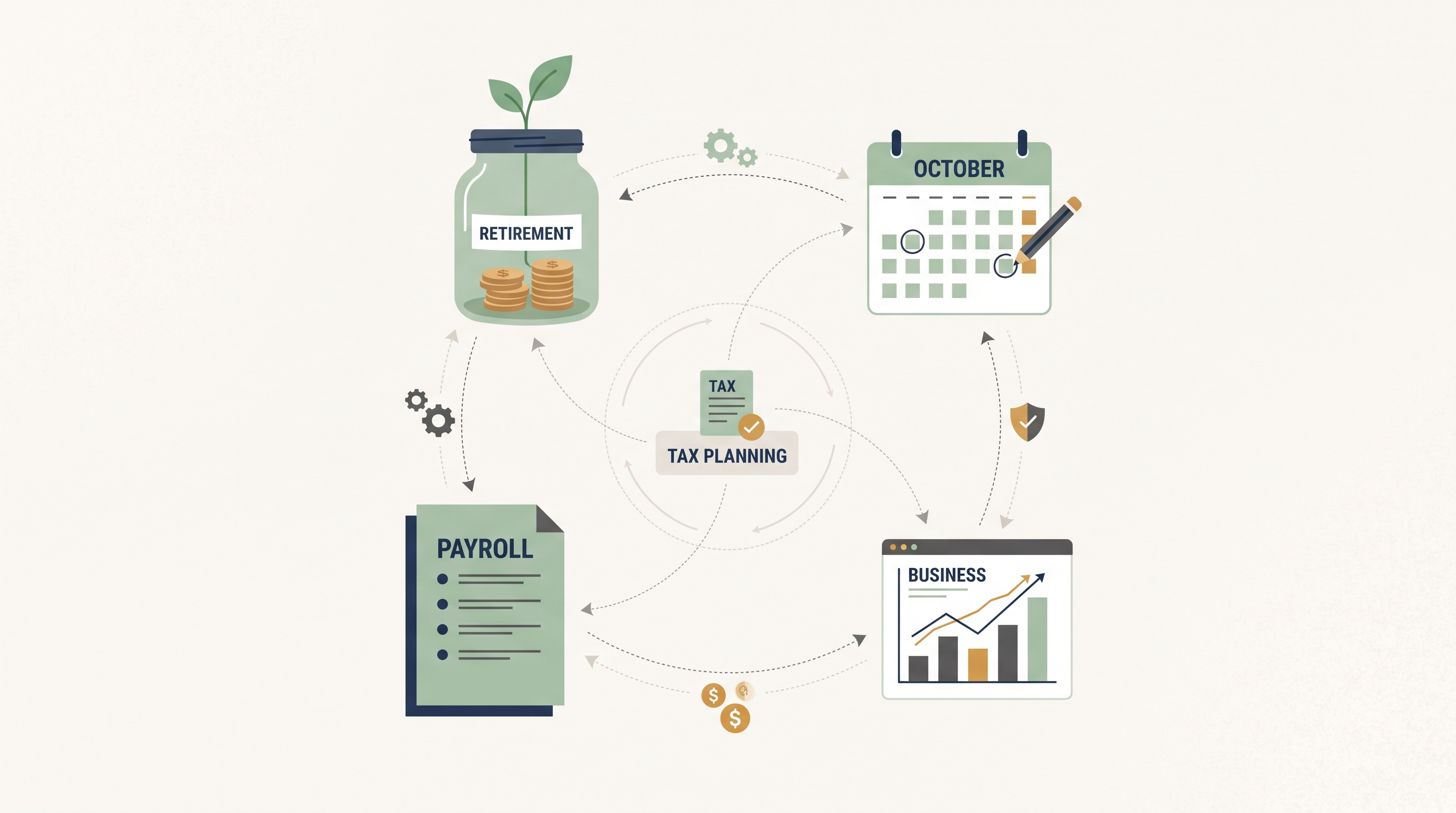
Tax planning isn't limited to expenses already sitting in your bookkeeping system. Certain retirement contributions and employee benefits may also offer tax advantages.
Depending on your business structure and eligibility, retirement plan options may include:
SEP IRAs
SIMPLE IRAs
Solo 401(k) plans
Other qualified retirement plans
Eligible contributions may reduce taxable income for the business or business owner, depending on the plan and the applicable tax rules.
However, contribution limits, deadlines, and deduction rules vary by plan and taxpayer.
Some contributions may be made after December 31 and still qualify for a deduction for the prior tax year, subject to the applicable rules and deadlines. Other plan establishment or contribution requirements may apply earlier.
Don't assume every contribution can be made after year-end or deducted in the same way.
Don't forget employee benefits
If you have employees, review eligible expenses associated with employee benefits and compensation.
Depending on the circumstances, potentially deductible expenses may include qualifying employer contributions to retirement plans, health insurance for employees, and other eligible benefits.
If you're self-employed and pay for your own health insurance, you may qualify for a separate deduction subject to specific eligibility requirements. The treatment depends on your business structure and individual circumstances.
For example, the rules for a sole proprietor can differ from those for an S corporation shareholder-employee.
What should you review before year-end?
Determine whether your current retirement plan meets your needs.
Review contributions already made and amounts you may be eligible to contribute.
Check plan establishment and funding deadlines.
Evaluate the tax treatment of employee benefits.
Coordinate retirement planning with your overall tax strategy.
Year-end tip: Don't wait until you file your tax return to ask about retirement contributions. A conversation with your tax professional can help you identify which decisions must be made before year-end and which actions may be available afterward.
The goal is to balance potential tax benefits with your cash flow, retirement goals, and business needs.
7. Qualified Business Expenses You May Have Overlooked
Sometimes the most valuable part of a year-end deduction review is identifying expenses that never made it into your accounting system.
Business owners often pay for smaller items throughout the year without thinking about how those purchases add up.
Depending on your circumstances, these may include:
Eligible professional memberships and subscriptions
Business-related education and training
Qualifying advertising and promotional expenses
Business banking fees
Merchant processing fees
Eligible business insurance premiums
Qualifying business-related phone and internet expenses
Eligible professional licenses and continuing education
For pet care businesses, additional examples may include eligible grooming education, industry-specific software, qualifying training, and business supplies.
Remember that an expense must meet the applicable requirements. Personal education, hobbies, and expenses unrelated to your business generally don't become deductible simply because you paid for them using a business account.
What should you review before year-end?
Look beyond your profit and loss statement.
Review:
Bank and credit card statements: Look for legitimate business expenses that weren't recorded.
Digital receipts: Check email confirmations and online purchase histories.
Subscription accounts: Identify business services that may have been charged to a personal card.
Vendor statements: Confirm that eligible expenses have been recorded correctly.
Reimbursements and owner-paid expenses: Make sure qualifying business costs paid personally have been handled appropriately.
If you have employees, also review whether expense reimbursements have been documented and processed correctly.
Year-end tip: Create a recurring monthly expense review for 2027. A simple process for capturing receipts, recording transactions, and reconciling accounts can make next year's tax preparation much easier.
Your Year-End Business Tax Deduction Checklist
Now that you've reviewed the seven categories, it's time to turn that information into action.
Use this checklist to guide your year-end review.
Deduction category | What to review |
|---|---|
1. Operating expenses | Check for missing expenses, uncategorized transactions, and incomplete reconciliations. |
2. Vehicle and mileage | Update mileage records and review your vehicle deduction method. |
3. Home office | Confirm eligibility and gather supporting measurements and expense records. |
4. Equipment and technology | Review purchases, placed-in-service dates, and depreciation options. |
5. Travel and meals | Verify business purposes, receipts, and applicable deduction limitations. |
6. Retirement and employee benefits | Review contribution opportunities, deadlines, and eligibility. |
7. Other business expenses | Identify overlooked expenses and correct bookkeeping gaps. |
Three additional steps to take before December 31
1. Review your year-to-date financial statements.
Your profit and loss statement can help you understand how much your business has earned and spent so far. Compare actual results with your budget and prior-year performance to identify trends and potential tax planning opportunities.
2. Estimate your tax liability.
A deduction review is only one part of the process. You should also estimate your taxable income, evaluate your estimated tax payments, and determine whether any additional planning is appropriate.
3. Talk to your tax professional before making major decisions.
Buying equipment, making retirement contributions, or accelerating certain business expenses may have tax implications. The right approach depends on your circumstances, so evaluate the financial and tax consequences before acting.
The Bottom Line: Don't Wait Until Tax Season
Reviewing your business deductions before year-end can help you identify overlooked expenses, improve your records, and make informed decisions about your tax strategy.
But remember: the goal isn't to spend more money just to claim deductions. It's to make sure you're taking advantage of the deductions you're entitled to while making sound financial decisions for your business.
A deduction generally reduces taxable income, not your tax bill dollar for dollar. The actual tax benefit depends on your circumstances.
And while a year-end review is valuable, the strongest tax strategies begin well before December.
Ready to Get Ahead of Your Taxes?
Don't wait until tax season to discover what you could have done differently.
Explore tax planning and preparation services from C-Squared Accounting to learn how a proactive approach can help you prepare for tax season and plan for the year ahead. Visit C-Squared Accounting at https://c-squaredaccounting.com.
Your year-end action step: Choose one deduction category from this list and review it this week. A small step today can make a meaningful difference in how prepared you feel when tax season arrives.
Have a year-end tax planning question? Share it in the comments, or share this article with another small business owner who could benefit from a little extra preparation.