
What to Look for in a CPA for Your Pet Care Business
Running a pet care business, whether you operate a boarding facility, a grooming salon, a mobile unit, or a pet-sitting service, is a labor of love. But between managing animal care, client communications, and employee scheduling, managing back-office finances can quickly feel overwhelming.
While hiring a general CPA is a step in the right direction, the pet care industry has unique operational models that standard accountants often mismanage. From complex worker classifications to seasonal cash flow dips, having an accountant who understands the nuances of the pet industry can save you thousands of dollars and countless headaches.
Here are the top qualities, technical skills, and industry insights to look for when selecting a CPA for your pet care business.
1. Deep Understanding of Hybrid Revenue Streams & Inventory
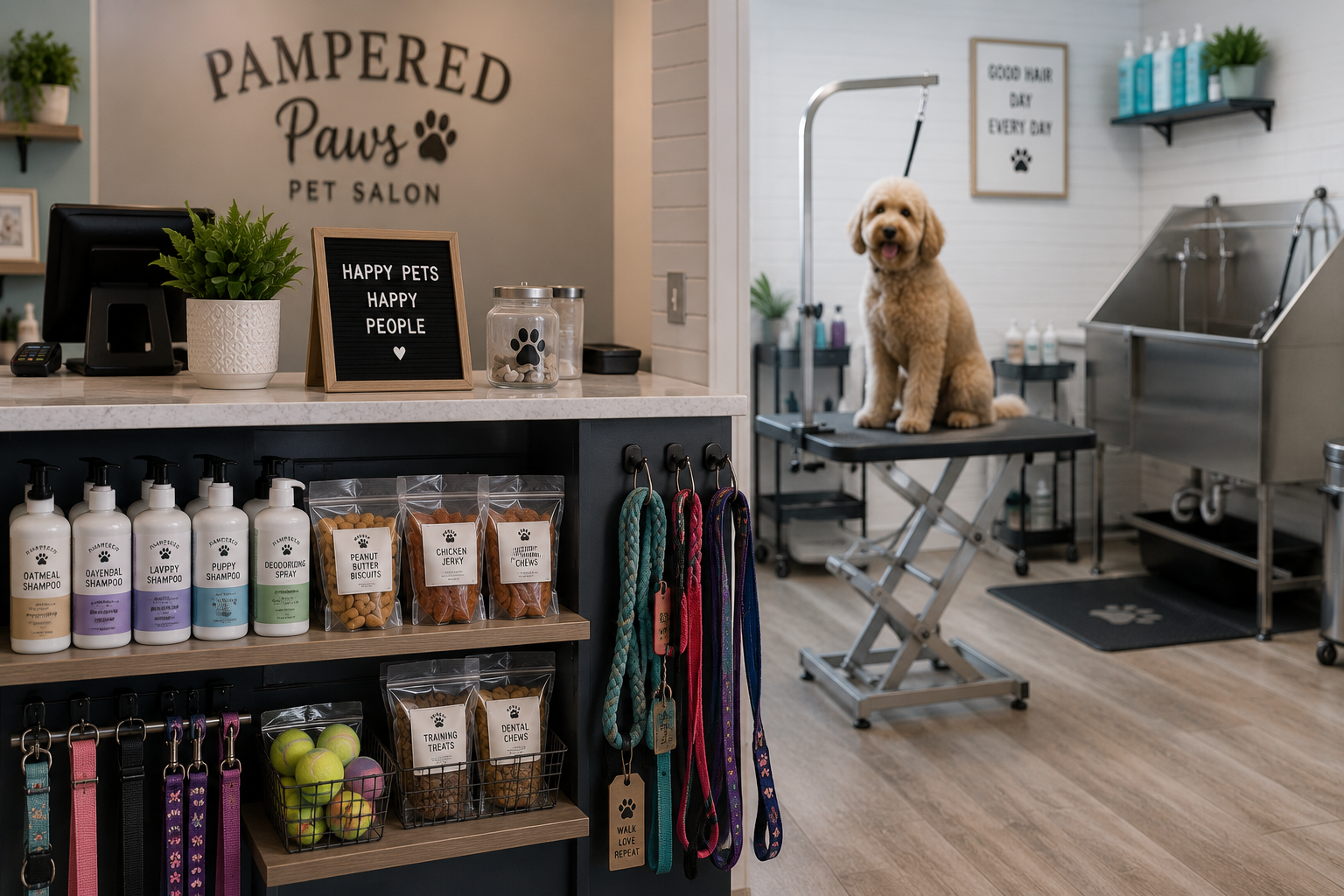
Unlike pure service businesses, pet care operations often blend multiple revenue streams under one roof:
Service Revenue: Boarding nights, daycare passes, grooming appointments, and training sessions.
Retail Revenue: Premium food, treats, toys, shampoos, and gear.
Unearned / Deferred Revenue: Prepaid package deals, holiday deposit holds, or monthly daycare memberships.
Why This Matters to Your CPA:
Your accountant must understand how to categorize Cost of Goods Sold (COGS) for physical inventory versus direct labor costs for services. They also need to know how to handle deferred revenue so you aren't taxed on prepaid package fees before you actually deliver the service. Furthermore, sales tax laws differ radically depending on whether you sell a physical item or provide a service, your CPA needs to keep you compliant with state sales tax nexus rules.
2. Mastery of Niche Pet-Industry Tax Write-Offs
A standard tax preparer will catch basic deductions like rent and software subscriptions. An industry-savvy CPA, however, knows the specific deductions unique to animal care:
Facility & Equipment Depreciation: High-grade kennels, hydraulic grooming tables, commercial tubs, specialized sanitation systems, and high-efficiency HVAC units.
Vehicle & Fleet Expenses: Mileage tracking, wrap signage, and specialized build-outs for mobile grooming vans or pet transport vans.
Consumable Supplies: Shampoos, cleaning chemicals, treats, slip leads, and safety gear.
Continuing Education & Certifications: Pet CPR, master groomer certifications, and industry expo travel (e.g., SuperZoo, Pet Boarding & Daycare Expo).
Warning on Personal Expenses: The IRS closely scrutinizes pet businesses. A knowledgeable CPA will draw a clear line between legitimate business expenses and personal pet costs, keeping you safe during an audit.
3. Experience with Payroll, Tips, and Worker Classification
Labor is typically a pet care business's largest operational expense. It’s also the area where pet business owners face the highest audit risk regarding worker classification and gratuities.
W-2 Employees vs. 1099 Contractors: The IRS heavily penalizes pet businesses that classify bathers, groomers, or dog walkers as 1099 contractors when they actually operate as employees (e.g., using your facility, adhering to set schedules, and using your tools). Your CPA should help you structure compliant payroll.
Groomer Commission Structures: Many salons pay groomers on a commission split (e.g., 50/50). Your CPA needs experience handling commission tracking alongside base hourly rates.
Tip Reporting Compliance: Bathers and groomers regularly receive cash and credit card tips. A proper CPA ensures tips are correctly reported through payroll to avoid tax penalties for both you and your staff.
4. Software Compatibility with Pet Management POS Tools
If your CPA demands paper receipts or doesn't know how to export reports from modern pet software, they will slow down your entire operation.
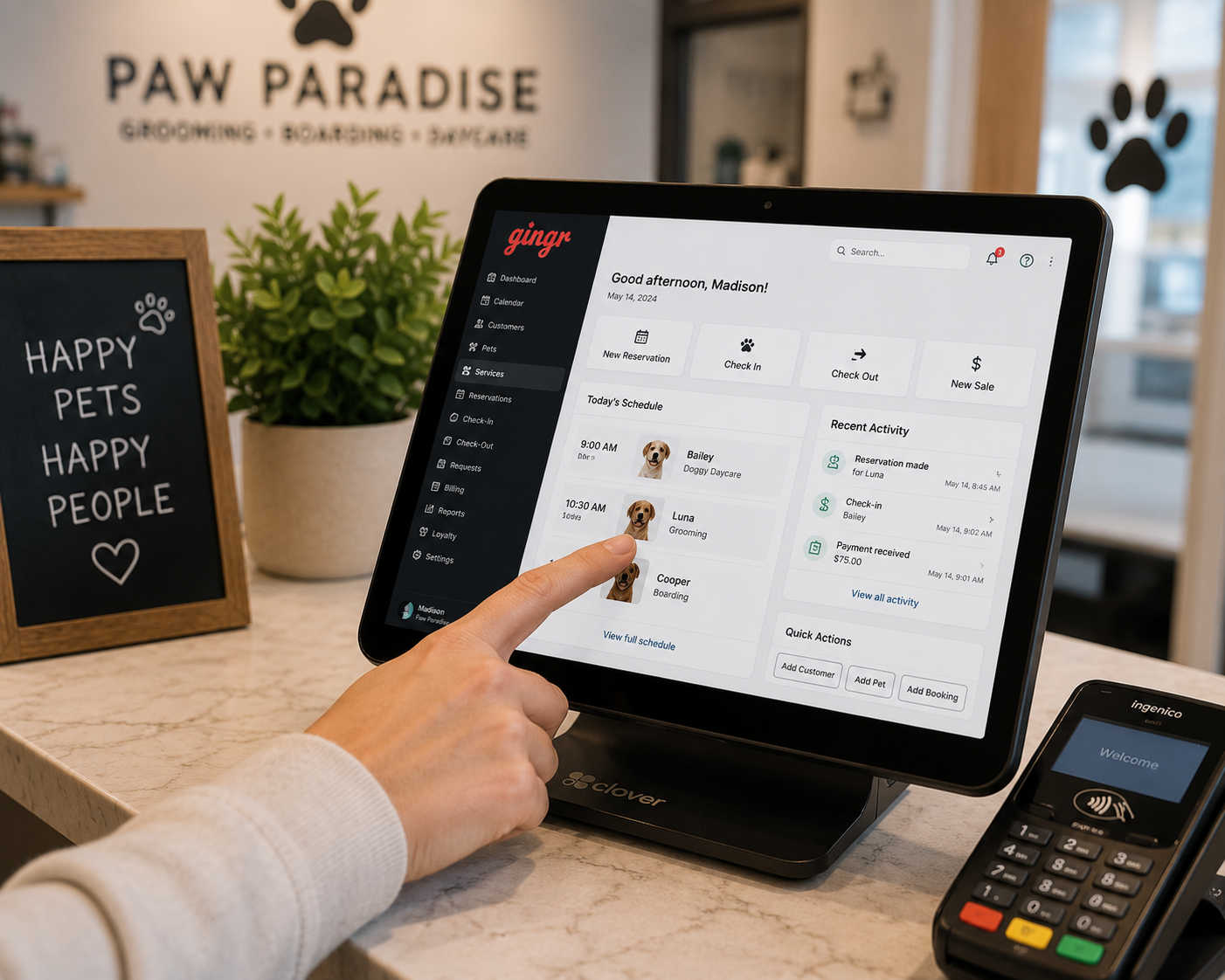
Look for a tech-forward CPA who knows how to pull data from platforms like:
Gingr / DaySmart Pet: Standard for boarding, daycare, and multi-service facilities.
MoeGo: Popular for grooming salons and mobile groomers.
Precise Petcare / Time To Pet: Common for pet sitting and dog walking services.
Your CPA should seamlessly integrate these POS and booking tools into cloud accounting software like QuickBooks Online or Xero to automate reconciliation.
5. Proactive Seasonality & Cash Flow Advisory
Pet businesses experience intense seasonal peaks and valleys:
Surge Periods: Summer vacations, Thanksgiving, and winter holidays bring peak boarding and grooming demand.
Lull Periods: Late January through February often sees a sharp dip in revenue.
A basic tax preparer only files your annual return months after the year ends. A strategic CPA acts as a partner who helps you build cash reserves during peak holiday surges so your business stays comfortably cash-positive during slow winter months.
Interview Cheat Sheet: Questions to Ask Before Hiring
When interviewing potential CPAs, bring these questions to see if they truly understand your business:
"How many pet care or service-and-retail hybrid businesses do you currently advise?"
"How do you handle sales tax on services versus retail products in our state?"
"Have you worked with booking platforms like Gingr, MoeGo, or Time To Pet before?"
"What is your experience setting up compliant commission and tipping structures for W-2 team members?"
"Do you offer quarterly tax planning and cash flow forecasting, or just year-end filing?"
Red Flags to Watch Out For
❌ They tell you to classify core staff as 1099 contractors without review. This is a common shortcut that triggers massive IRS back-tax penalties.
❌ They aren't responsive outside of tax season. You need financial guidance year-round, not just in April.
❌ They insist on paper receipts or physical bank statements. Modern accounting should be digital, automated, and accessible anywhere.
The Bottom Line
Your pet care business deserves a financial advisor who understands the hard work that goes into keeping animals safe, clean, and happy. By choosing a CPA who knows the pet industry, you aren't just buying tax compliance, you're investing in a strategy that protects your profit margins, reduces your tax liability, and gives you time back to focus on your clients.
Ready to take the next steps? Feel free to reach out to C-Squared Accounting.