
Do I Really Need a CPA for My Small Business? (Or Is Software Enough?)
When you started your business, you probably did it because you’re passionate about what you offer your clients. You almost certainly didn’t start it because you were excited to decipher tax codes, track receipts, or figure out state compliance requirements.
As your business grows, you inevitably hit a crossroad where every entrepreneur asks: "Do I need a CPA, or can I just keep doing this myself?"
The short answer? You might not need one on Day 1, but waiting too long to hire one can cost you thousands in missed deductions, penalties, or lost time.
Here is a straightforward guide to help you figure out what a Certified Public Accountant (CPA) actually does, how they differ from bookkeepers, and when it’s time to bring one on board.
Strategic First Steps: Bookkeepers and EAs
Before jumping straight to a high-level CPA, many growing businesses find that an intermediate step fits their needs and budget better.
1. Starting with a Bookkeeper (Your Best Operational Step)
If your primary pain point is messy spreadsheets, lost receipts, or a stack of un-reconciled bank statements, a Bookkeeper is usually your best first hire.
Why start here? Even if you hire a CPA down the road, they will charge you top-dollar hourly rates just to clean up messy books before they can do any tax work. A bookkeeper keeps your financial data accurate every single month for a fraction of the cost.
The benefit: You get clean financial reports (like your Profit & Loss statement) year-round so you always know where your money is going.
2. Hiring an Enrolled Agent (EA) if Taxes Are Your Main Concern
If your day-to-day accounting is fairly organized, but you’re terrified of overpaying on taxes or making a mistake on your returns, an Enrolled Agent (EA) is often the sweet spot.
What is an EA? EAs are federally authorized tax practitioners who pass a rigorous IRS exam exclusively on taxation. They specialize 100% in tax law.
Why choose an EA? Like CPAs, EAs have "unlimited representation rights," meaning they can represent you directly in front of the IRS during an audit. Because they specialize strictly in taxes rather than broad corporate accounting, they are often significantly more affordable than CPAs while offering deep tax expertise.
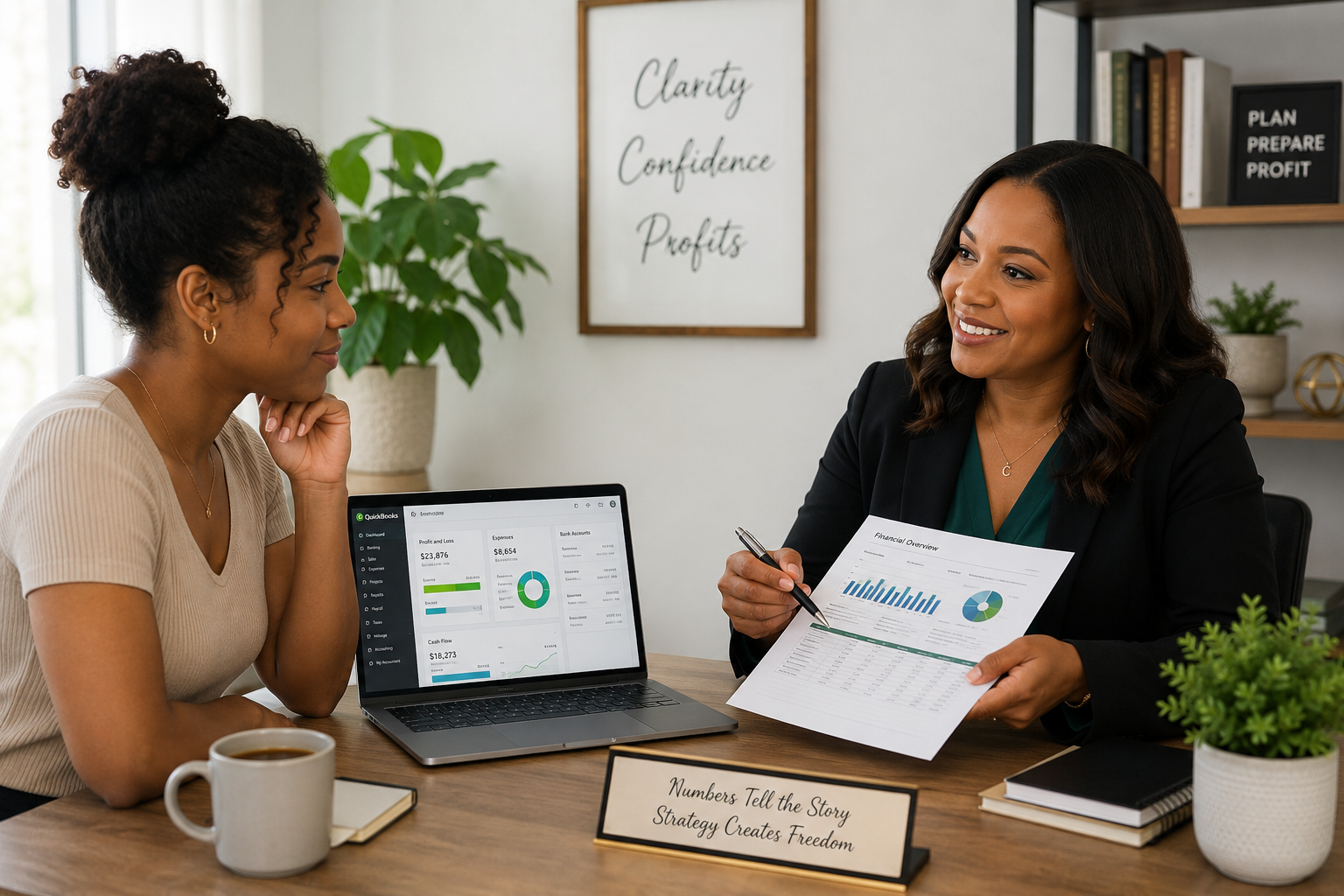
The Financial Spectrum: Who Does What?
A lot of small business owners lump all "financial people" together, but each plays an important role in the financial ecosystem.
Understanding who does what will save you money and headaches:
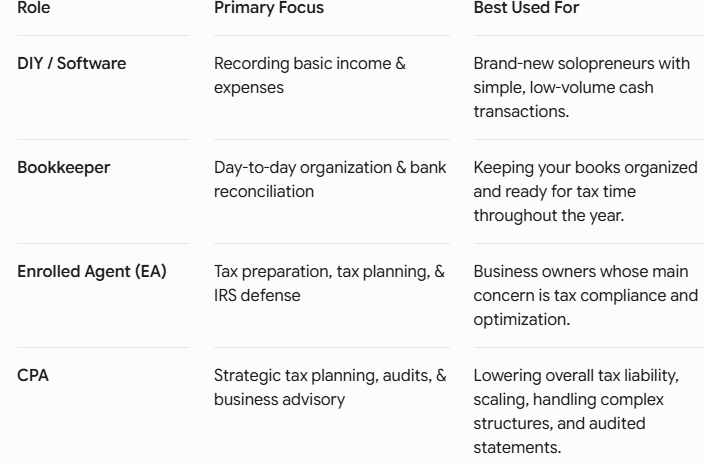
Key Takeaway: A bookkeeper records what happened in the past. A CPA looks at those numbers and helps you plan for the future often with a focus on taxes.
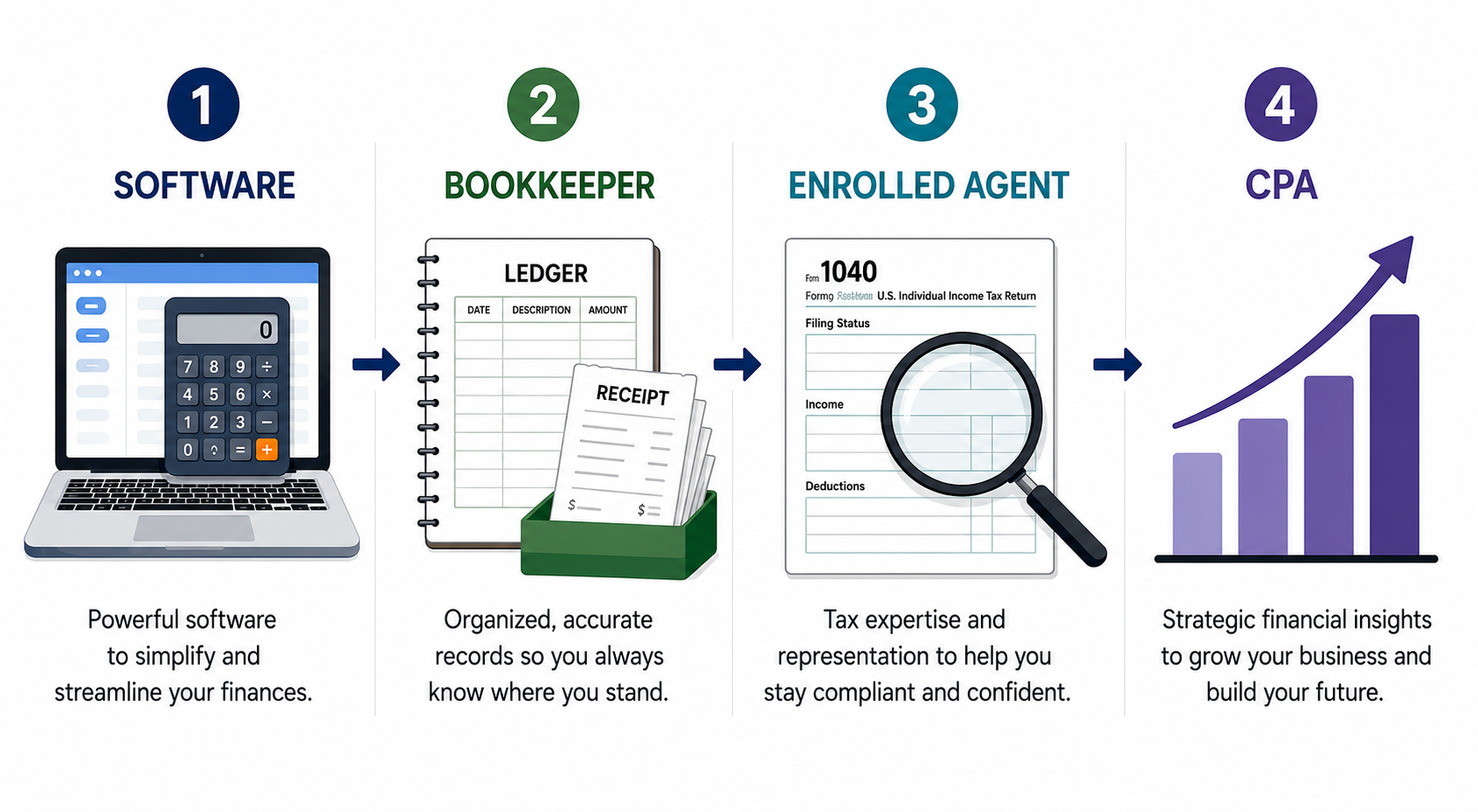
When You CAN Wait on a CPA
If you’re in the early stages of running a business, you might not need to pay for a CPA's strategic oversight just yet. You can usually stick with software or a light bookkeeping setup if:
You're a Sole Proprietor or Single-Member LLC: Your taxes flow directly into your personal tax return via Schedule C.
Your setup is simple: You offer a straightforward service with no physical inventory, no employees, and low transaction volume.
Your revenue is modest: The cost of hiring a high-level accountant would eat up a significant portion of your profits.
At this stage, using clean cloud accounting software (like QuickBooks or Xero) and consulting a tax preparer once a year is often plenty.
5 Clear Signs It’s Time to Hire a CPA
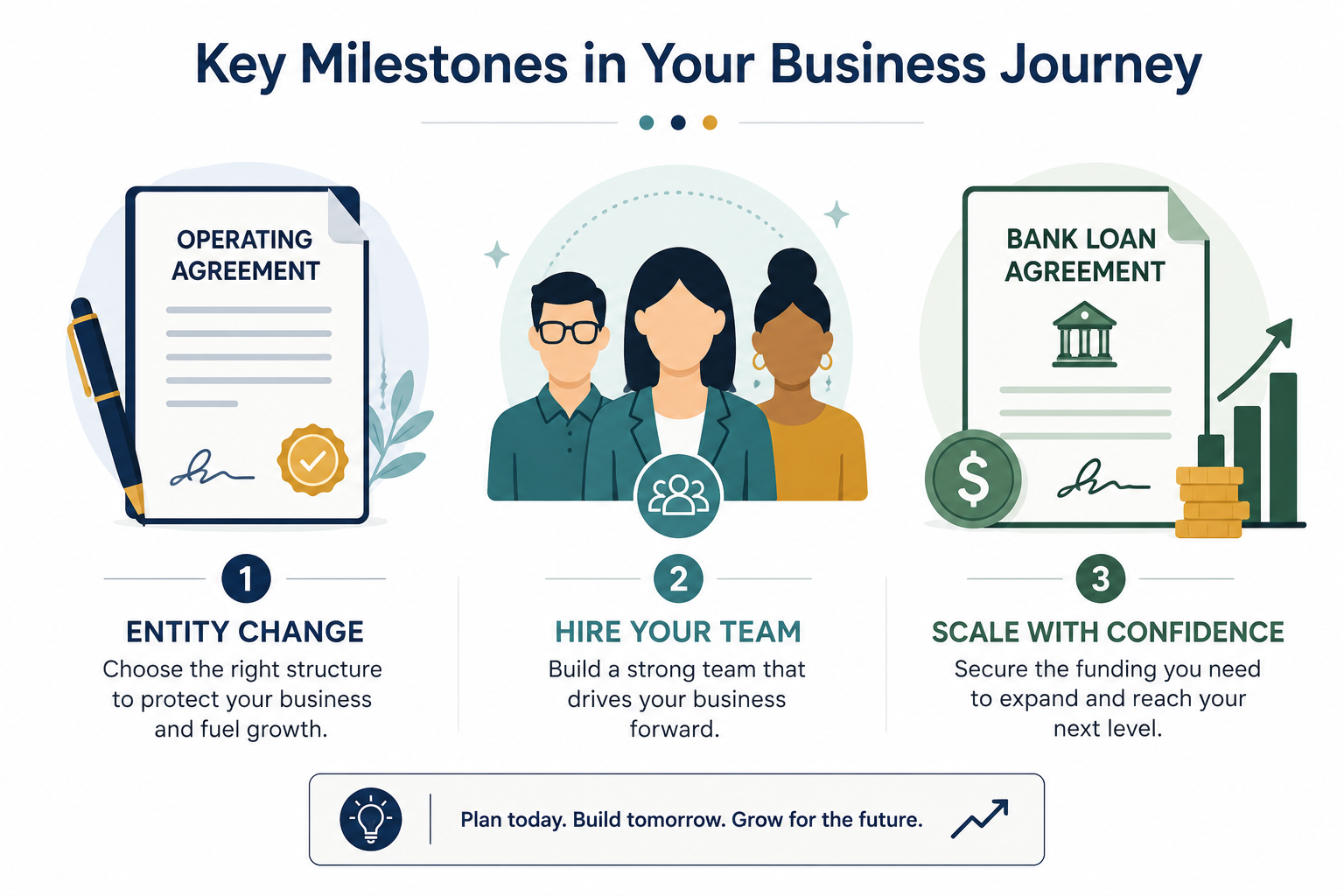
As your business matures, doing things yourself transitions from "saving money" to "wasting time and taking unnecessary risks." Here are five signs you’ve outgrown DIY:
1. You Want to Save on Taxes by Changing Entity Structure
When your net income hits a certain threshold, staying a Sole Proprietorship or basic LLC means paying a heavy self-employment tax (around 15.3%). A CPA can help you evaluate and transition to an S-Corporation, which allows you to split income between a reasonable salary and owner distributions, potentially saving thousands legally.
2. You’re Hiring Employees or Contractors
The moment you start paying people, the complexity multiplies. The IRS heavily penalizes businesses that misclassify W-2 employees as 1099 independent contractors. A CPA ensures your payroll, withholdings, and worker classifications align strictly with federal and local laws.
3. Your Business Model Mixes Services, Retail, or Multi-State Sales
If you sell physical products alongside services or sell across state lines, you enter the wild world of sales tax nexus and Cost of Goods Sold (COGS). A CPA ensures you are collecting, reporting, and remitting sales tax accurately so you don't face surprises down the road.
4. You’re Spending Hours on Finances Instead of Business Growth
Your time has a monetary value. If you find yourself spending 10–15 hours a month struggling through spreadsheets, making sense of categorized expenses, or feeling anxious about tax deadlines, that’s time taken away from sales, client care, and strategy. A CPA gives you that time back.
5. You're Facing an Audit, Loan Application, or Big Milestone
If you plan to apply for a major business loan, bring on investors, or buy commercial real estate, banks and third parties will want reviewed or audited financial statements. A CPA provides the certified stamp of credibility those institutions require.
Expense vs. Investment: The CPA ROI
It’s easy to view a CPA as just another monthly bill or an unpleasant annual expense. But a skilled CPA is one of the few service providers whose work directly pays for itself.
By identifying proactive write-offs, structuring your business efficiently, preventing costly IRS penalties, and advising on tax-advantaged retirement accounts, a good CPA often saves you more money than they charge in fees.
Summary: Start Where You Are
You don't need a massive financial team on Day 1. Start with clean bookkeeping software, keep your personal and business bank accounts strictly separated, and move up to a dedicated bookkeeper or CPA as your operations gain momentum. Still not sure what your situation warrants...book a free call with C-Squared Accounting.